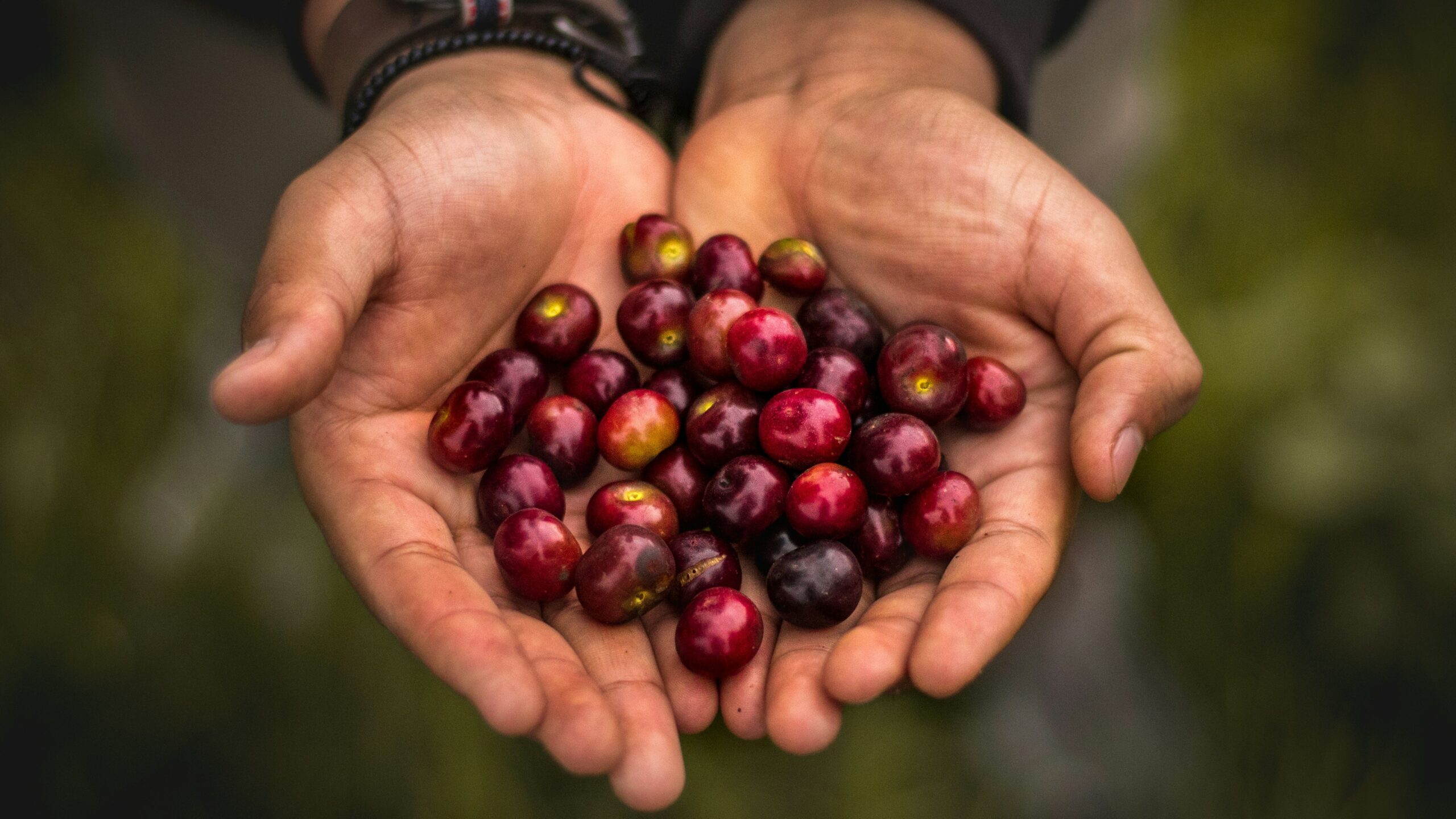
Agriculture is a leading driver of ecosystem degradation and biodiversity loss globally. In Mexico, Guatemala, and the Dominican Republic, the cultivation of crops such as coffee, cocoa, and bananas often relies on practices that exacerbate deforestation, land degradation, and ecosystem disruption. While biodiversity-friendly alternatives, including agroforestry and sustainable production systems, exist, their adoption remains limited due to insufficient awareness, policy support, and market incentives. The BioFinCas project aims to address these challenges by promoting large-scale, biodiversity-friendly, and climate-resilient agriculture across key export crops. Its objectives include creating accessible financial solutions for MSMEs, fostering capacity-building, enhancing market access, and raising consumer awareness of sustainable products. By integrating biodiversity conservation, equitable risk-sharing along value chains, and climate adaptation, the project supports producers, financial institutions, policymakers, and civil society in adopting and scaling sustainable practices.
The project employs the Economics of Climate Adaptation (ECA) framework to assess climate risks and identify cost-effective adaptation measures. This framework helps quantify the long-term benefits of biodiversity-friendly practices and model their impact under various climate and socioeconomic scenarios. The project also utilizes the Integrated Climate Risk Management (ICRM) approach to develop risk-transfer and disaster risk management solutions tailored to the unique challenges of MSME producers. These methods ensure that both environmental and economic outcomes are optimized while addressing the specific vulnerabilities of small-scale agricultural enterprises. A key innovation lies in developing and implementing scalable risk finance solutions tailored to MSMEs. Reducing insurance premiums and interest rates for adopting sustainable practices addresses the high costs and risks associated with transitioning to biodiversity-friendly agriculture. The project also integrates capacity-building initiatives, enabling producers to access financial services and adopt new practices effectively. This holistic approach addresses minimizing climate risks and incentivizes stakeholders across the value chain to invest in sustainable transformation.
This project sets the stage for systematic change in agricultural value chains by integrating biodiversity conservation, climate adaptation, and financial innovation. By combining technical tools, local knowledge, and inclusive stakeholder engagement, the project advances resilient, equitable, and environmentally sustainable agricultural systems, contributing to long-term biodiversity conservation, climate adaptation, and sectoral development in the region.
- United Nations University – Institute for Environment and Human Security (UNU-EHS)
- OroVerde – Die Tropenwaldstiftung
- Biodiversity International Centro para la Educación y Acción Ecológica, Naturaleza (CEDAE)
- Fundación Capital
- Fundación Defensores de la Naturaleza – Guatemala
- Johann Heinrich von Thünen-Institut (Bundesforschungsinstitut für Ländliche Räume, Wald und Fischerei – vTI) – Germany
- Plataforma Nuup, A.C.
- ProNatura Sur
- Südwind e.V.
- International Climate Initiative (IKI)
- Extreme rainfall
- Droughts
- Tropical storms
- Crops
- Mexico
- Guatemala
- Dominican Republic
- 04/2023 – 03/2031